
summary
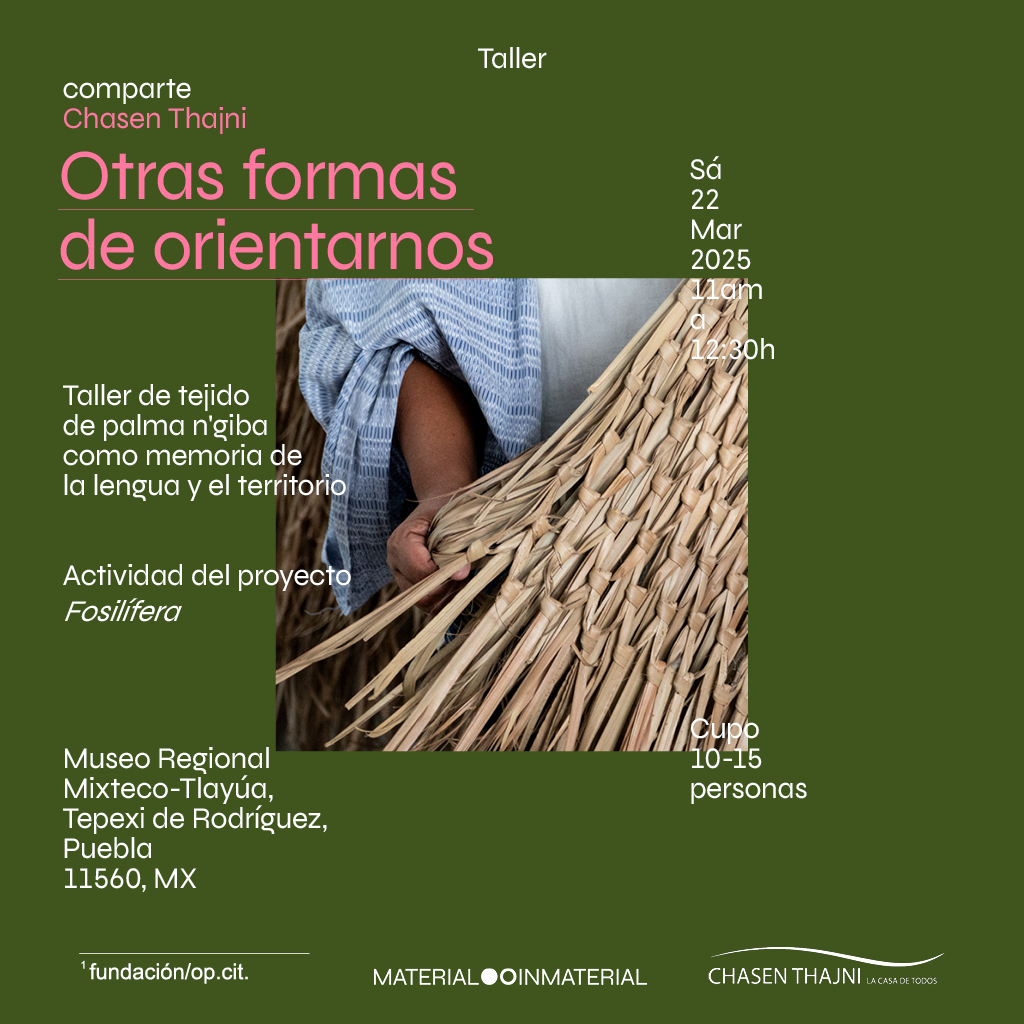
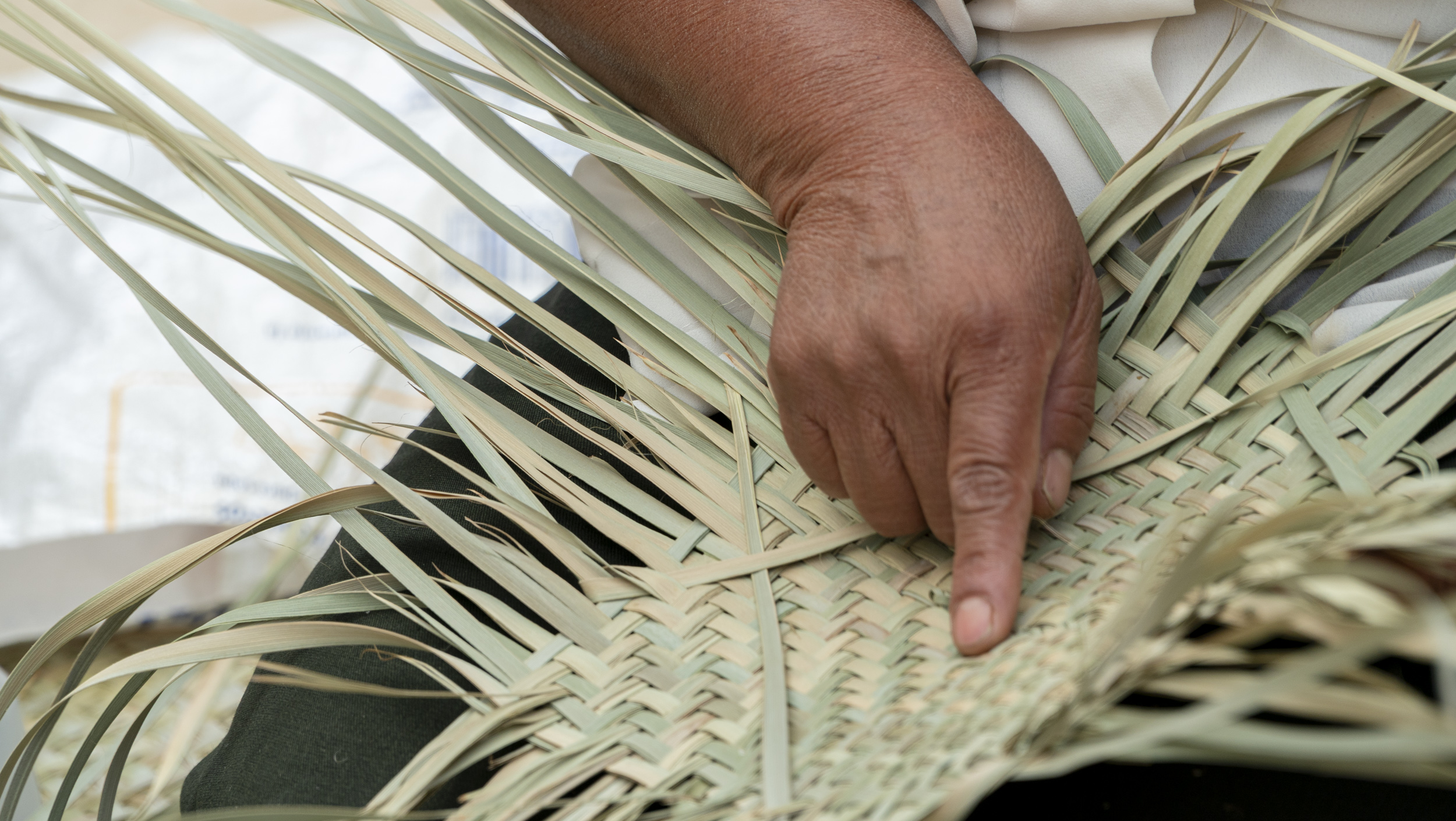
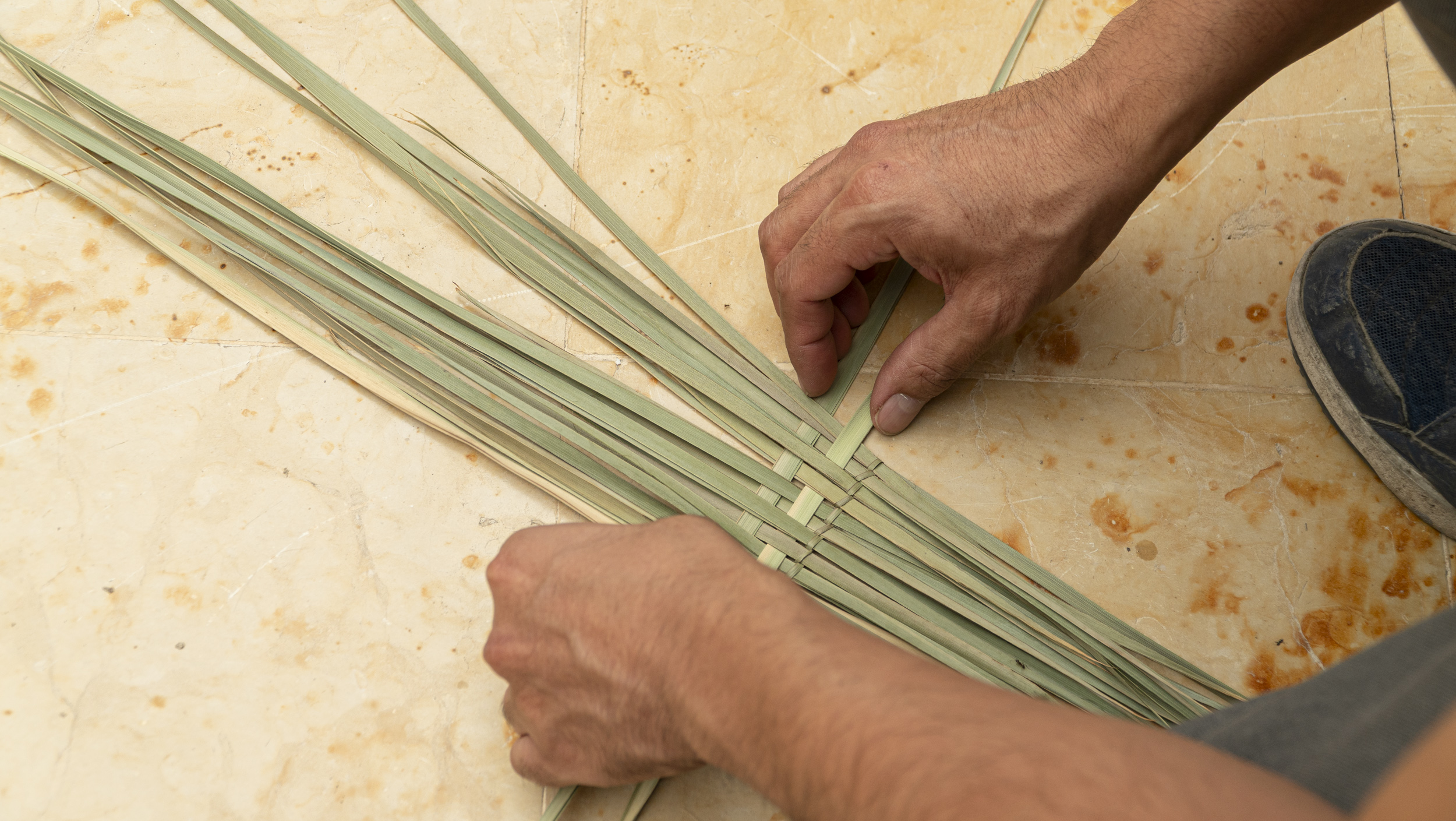
‘Otras formas de orientarnos’ A dialogue with the Brahea palm, inhabitant of the fossiliferous territory of the Mixteca poblana, a workshop guided by Chasen Thajni where we will teach the weaving of petate de cruz of N'giba tradition to guide the linguistic and geological memory of the site with the communities that inhabit it and have inhabited it since ancient times. In collaboration with Ulises Matamoros and the artisans of Santa Inés Ahuatempan and Tepexi de Rodríguez.
info
sharing: Chasen Thajni: Ulises Matamoros Ascención and members of the Ngiba indigenous community
when: Saturday March 22nd, 2024 - 11:00 am
where: Museo Regional Mixteco Tlayúa, Tepexi de Rodríguez, Puebla (MX)
registration: info@fundacionopcit.org
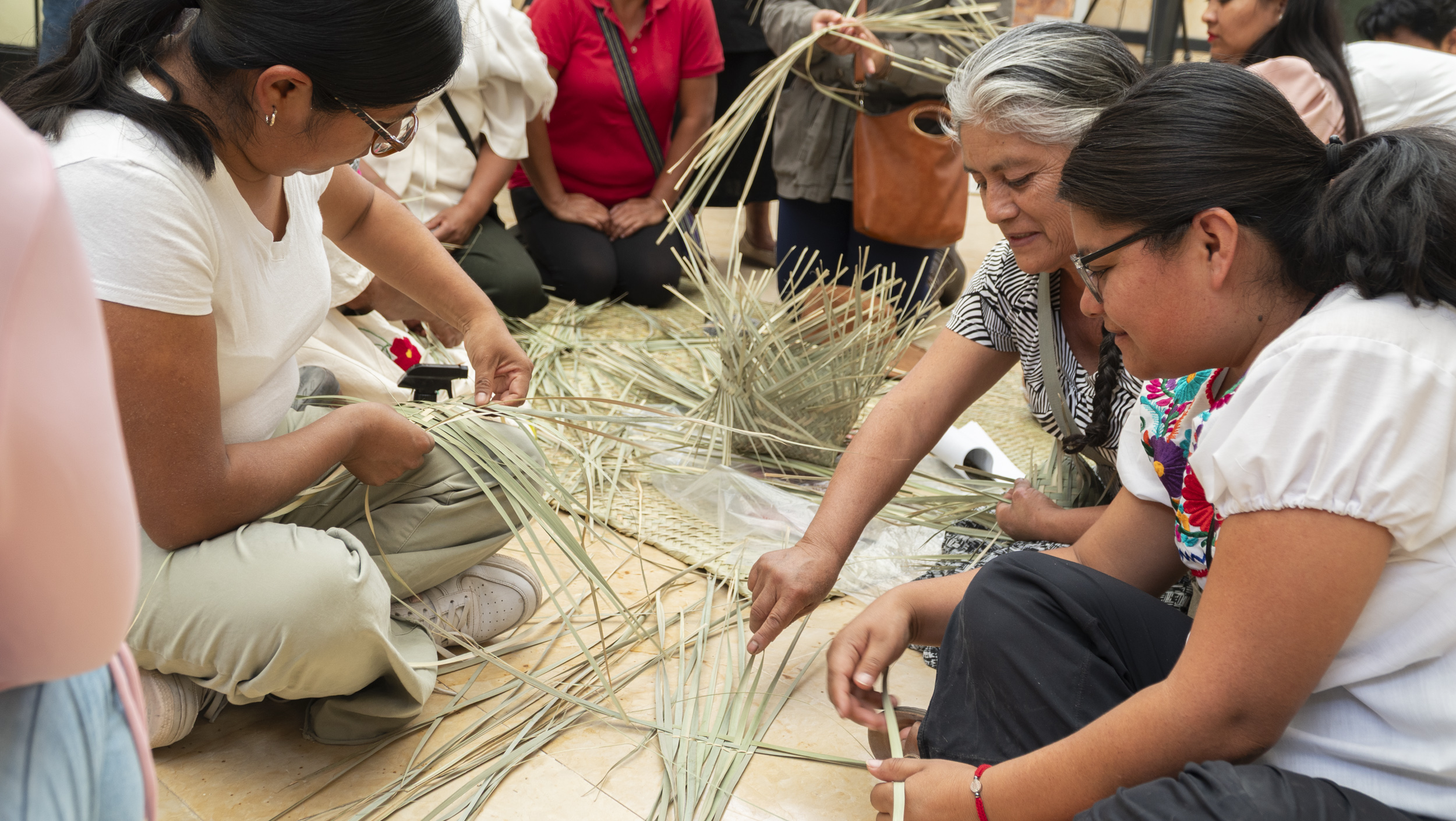
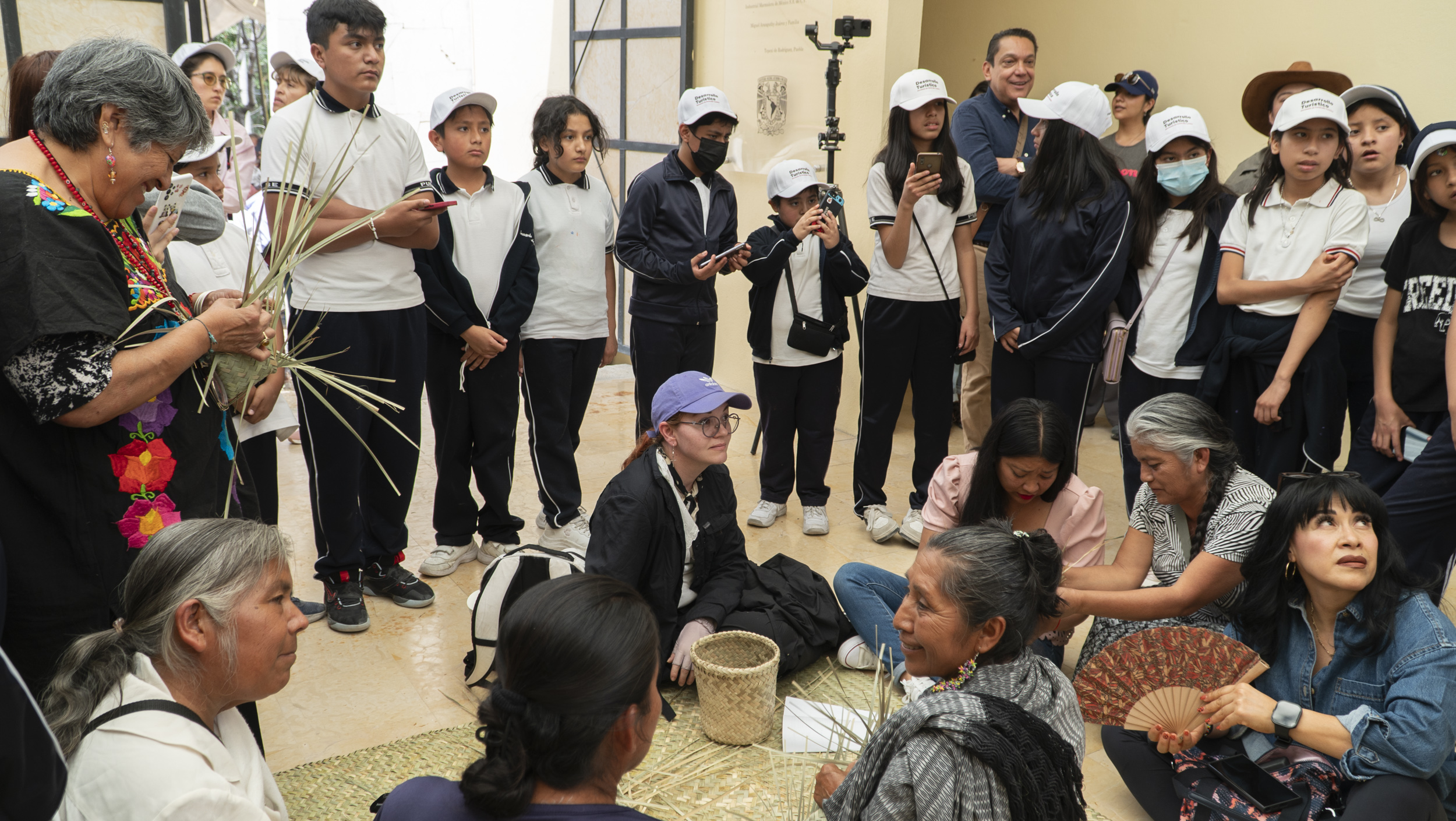

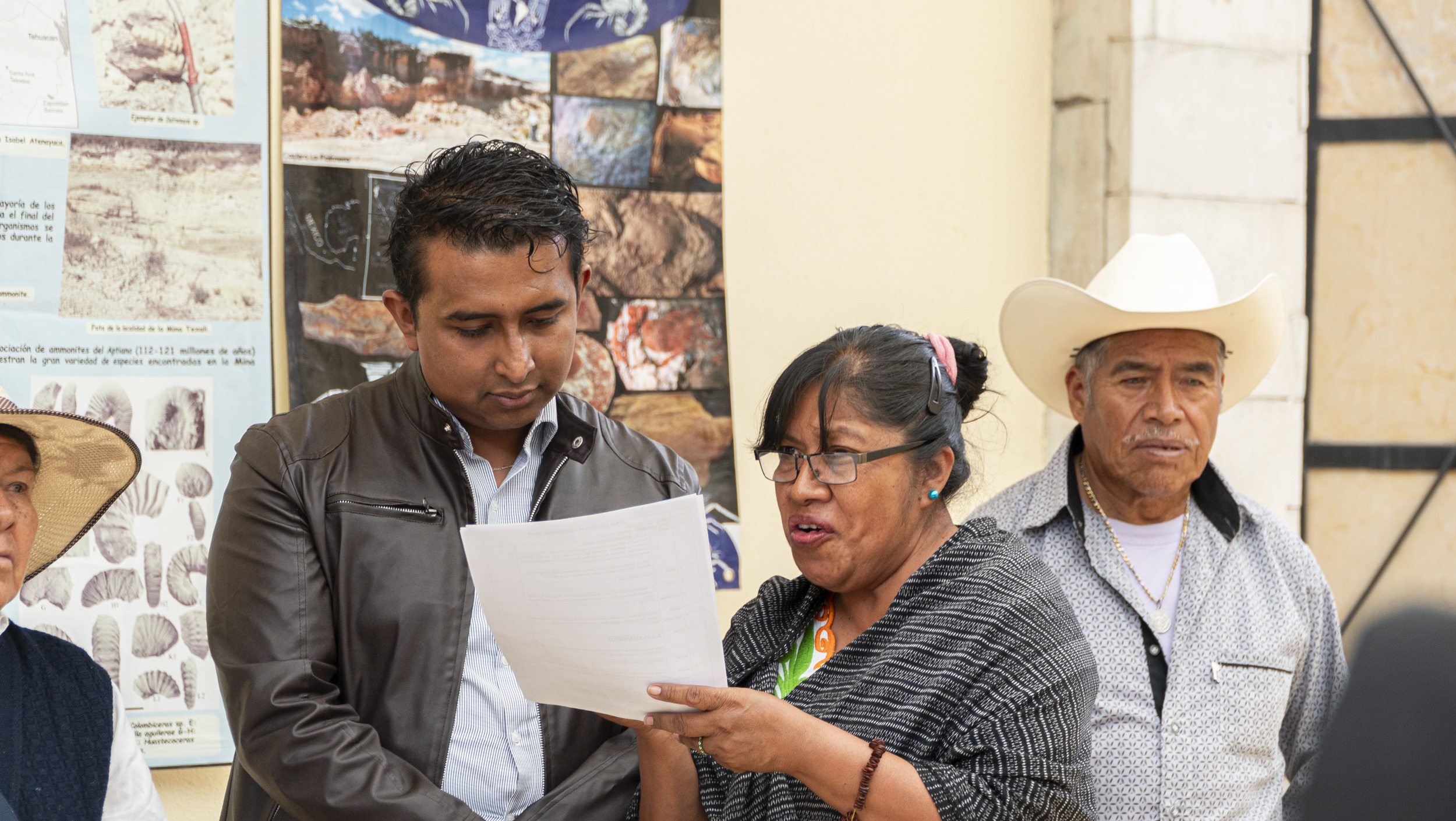
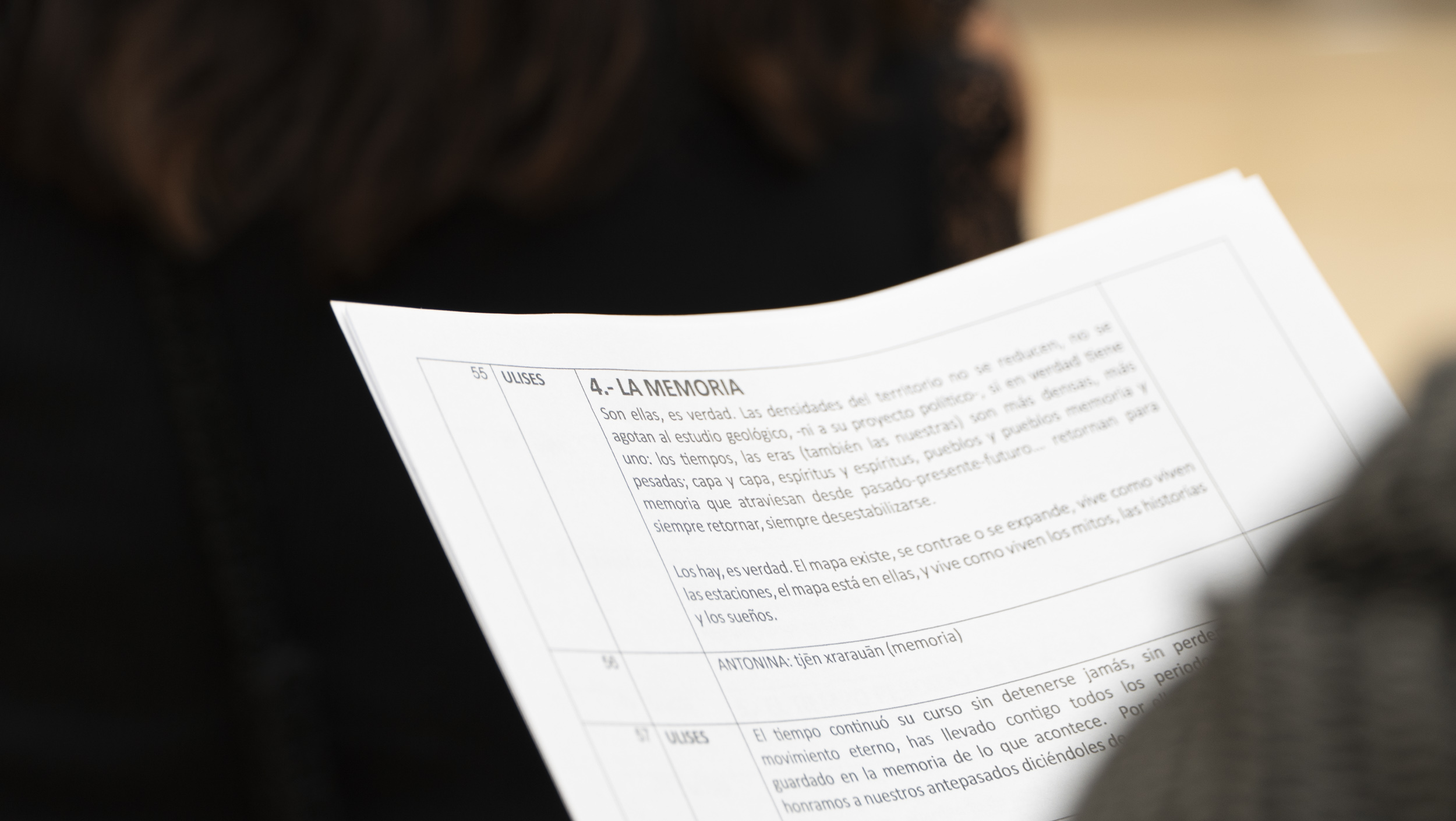
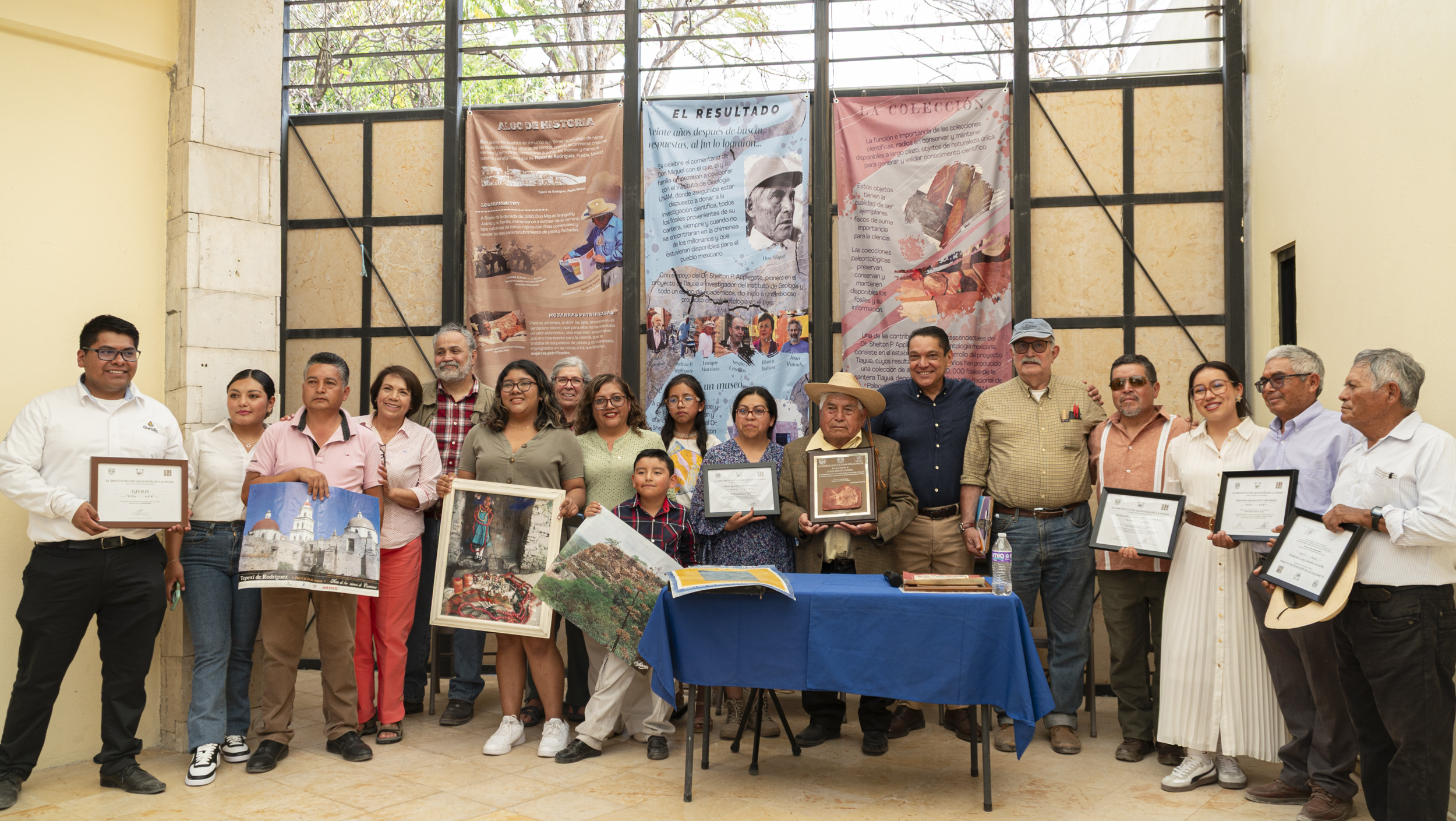
Otras formas de orientarnos: un proyecto de Chasen Thajni y material●◦inmaterial para el Museo Regional Mixtecto-Tlayúa, una actividad del proyecto Fosilífera dirigido por Lorena Mal con el apoyo de Fundación Jumex Arte Contemporáneo, EFIARTES, Sistema Nacional de Creación y fundación/op.cit. En alianza con el Instituto de Geología de la Universidad Nacional Autónoma de México (UNAM) y Pescadores de la Prehistoria.
About Chasen Thajni
Chasen Thajni is a collective entity founded in 2019 by the artist Ulises Matamoros Ascención, in collaboration with members of the Ngiba Indigenous community. It was born as an open community space, built through an intervention in the central plaza of Ahuatempan. For three years, this space became the epicenter of multiple activities: meetings, talks, assemblies, Ngiba testimonial sessions, Ngiba language classes, and other dynamics that strengthened the cultural presence of the community.
Most of these activities, conducted in the Ngiba language, were broadcast in real-time through an old loudspeaker installed at the Museo de Arte Carrillo Gil (CDMX) and later at the Museo de la Ciudad de Querétaro and other venues across the country.
Over time, the project has evolved into a popular committee spread across various regions of the Ngiba area, expanding its scope of action and consolidating itself as a living network of work, support, and resistance. From being a localized physical space, Chasen Thajni has transformed into a dispersed space, sustained by the community and materialized in multiple venues and ephemeral or temporary sites.
Our goal is to create spaces of autonomy, self-determination, and self-representation, recovering and safeguarding our ancestral knowledge. Through a popular committee and community assemblies, we organize projects executed through our four community action programs. We combine artistic, pedagogical, and transdisciplinary methodologies with our ancestral knowledge, generating processes of cultural creation and resistance that activate the histories, knowledge, and experiences of the Ngiba community, making it the primary agent of its own cultural narrative.